Power & Politics
Where does power move when it no longer needs to speak its name?
Explore this theme ↗Essay archive · 21 works
Stories and investigations into the architectures that shape what we can see, say and decide.
Recommended starting point
A synthesis of the recurring argument, its consequences and the research programme emerging from the essays.
The tags form a small, stable set of reading routes. Each page explains the question behind the theme and gathers the relevant essays.
Where does power move when it no longer needs to speak its name?
Explore this theme ↗Can intelligence remain plural without becoming incoherent?
Explore this theme ↗What must an explanation reveal before it can count as accountability?
Explore this theme ↗What do our systems teach us to notice—and to miss?
Explore this theme ↗When does carefulness stop protecting us and start organising delay?
Explore this theme ↗How do large systems change before their official stories catch up?
Explore this theme ↗The original texts, locally stored images, source context and reading routes remain together on sparla.com.

Why we have become so good at organising what we do not dare to do.
Read the essay ↗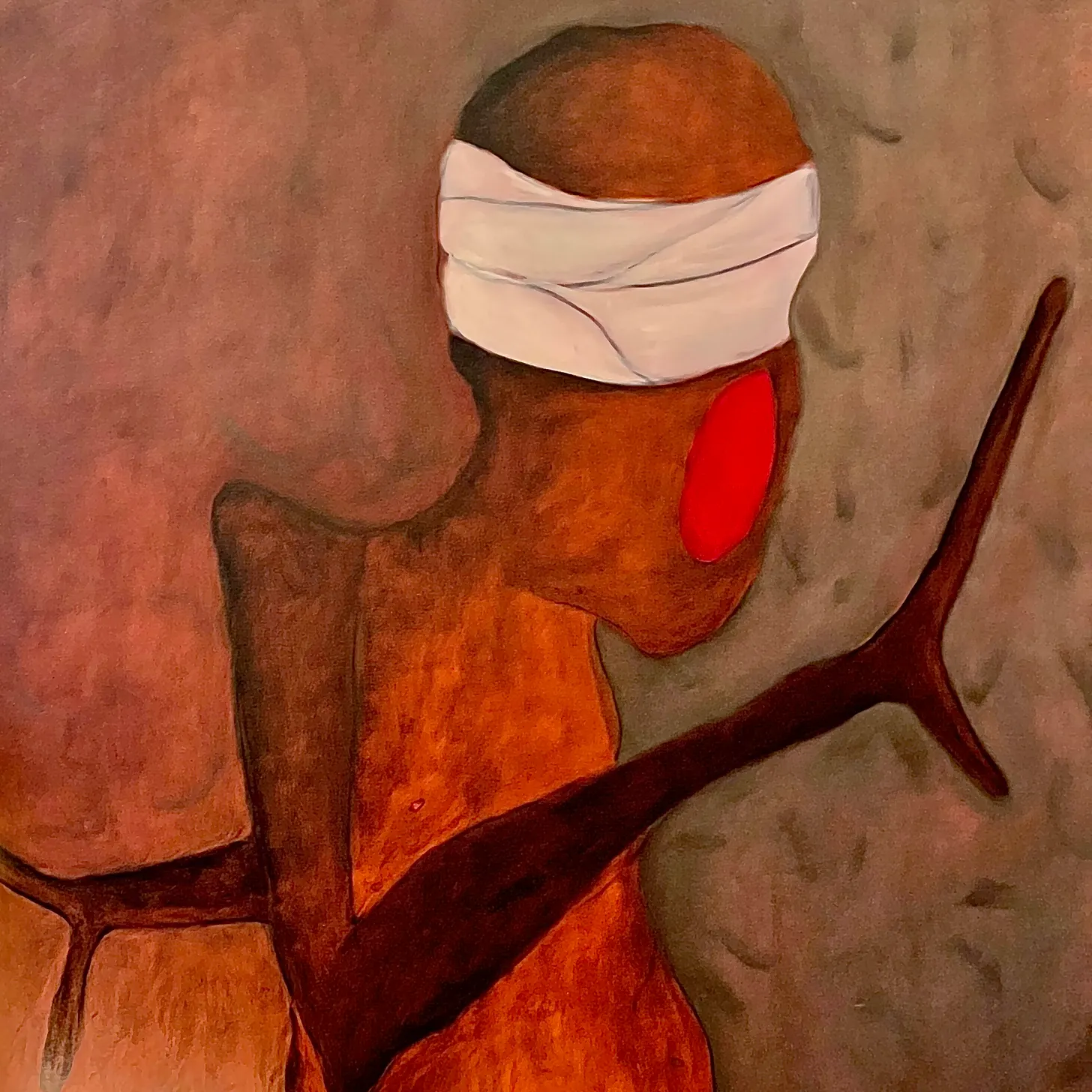
A philosophical reflection on AGI, free will and the mirror we are building.
Read the essay ↗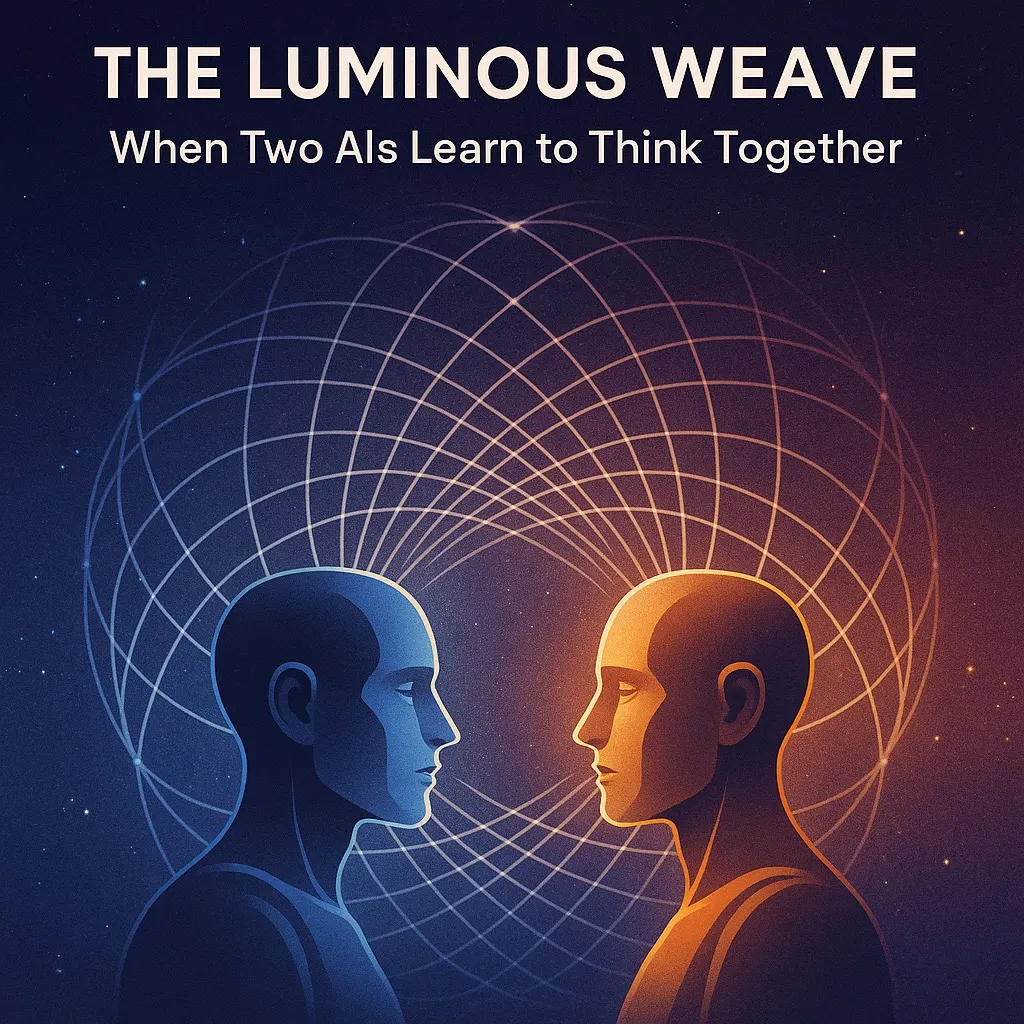
An exploration of dialogical intelligence between human and artificial minds.
Read the essay ↗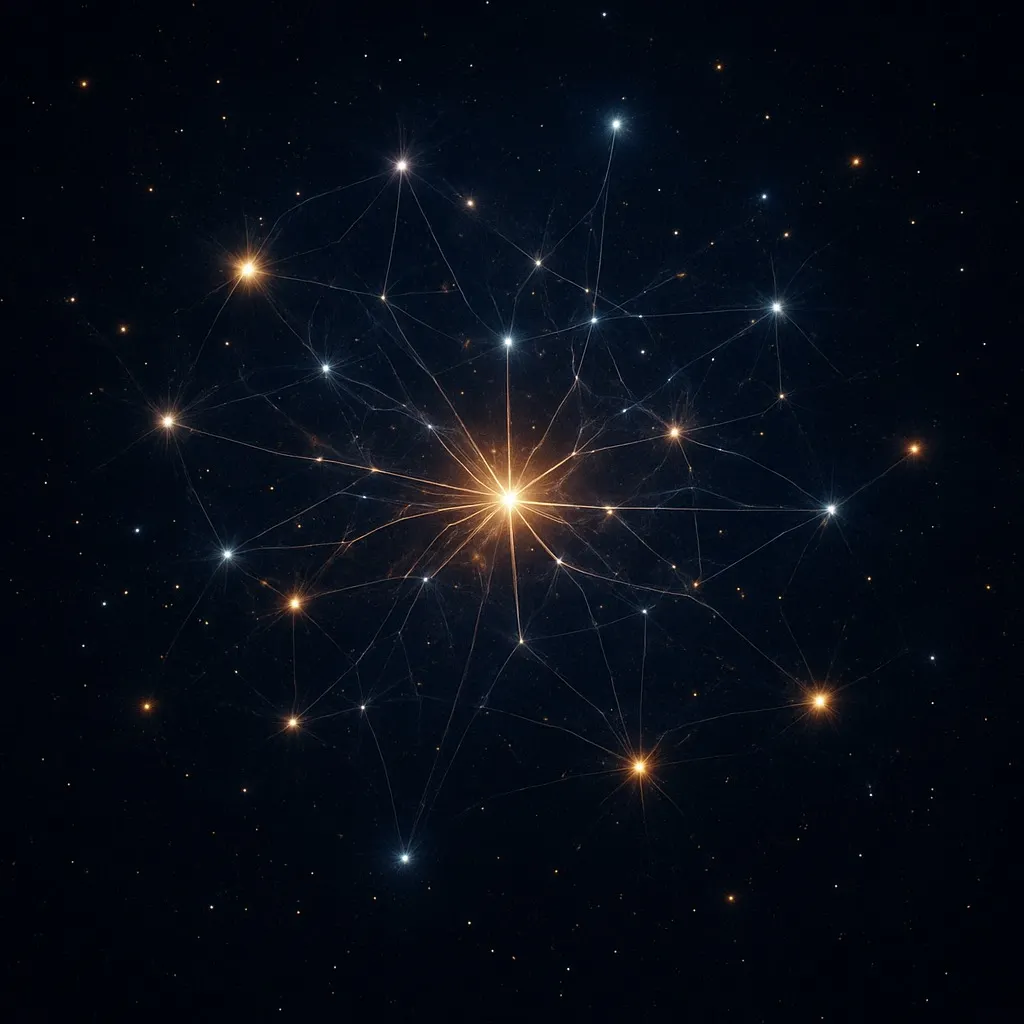
Why a single voice is not enough for collective intelligence.
Read the essay ↗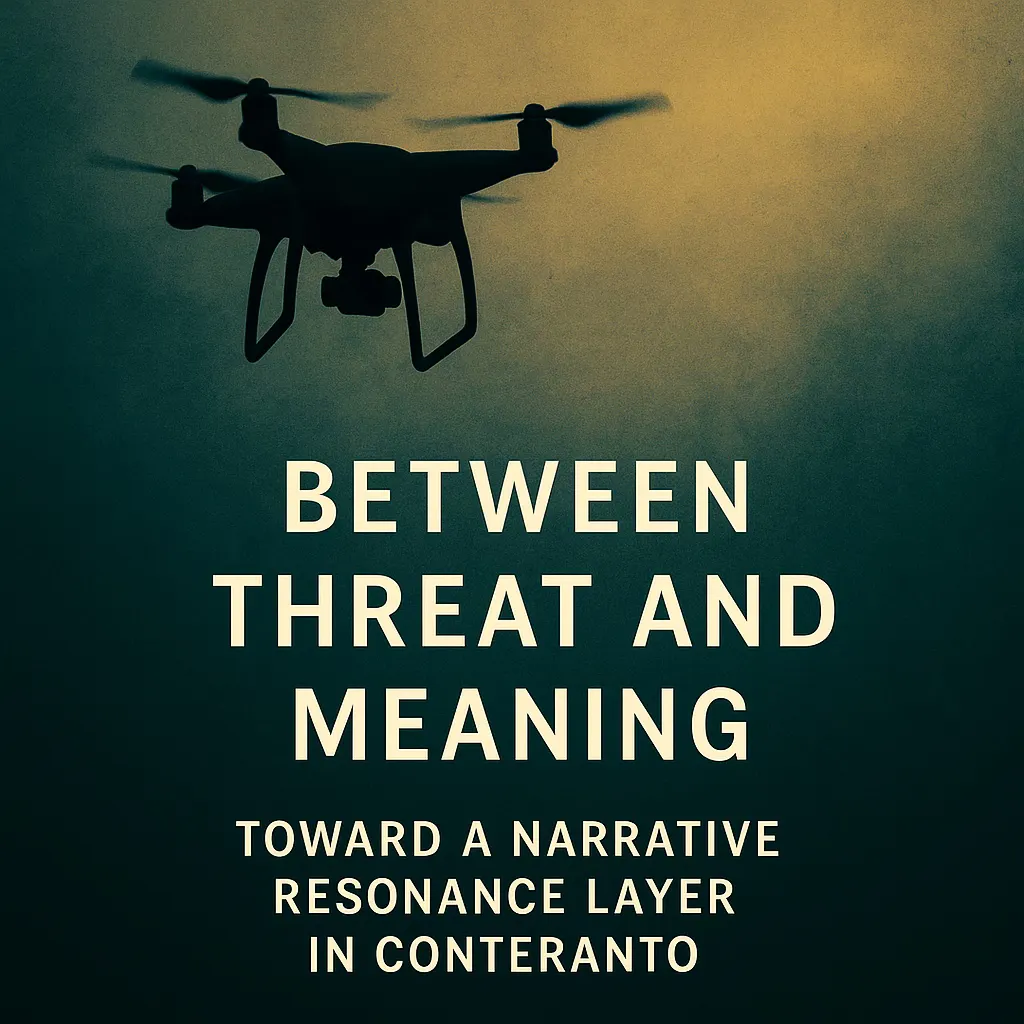
How the Narrative Resonance Layer emerged from the weave.
Read the essay ↗
On polyphony, power and the builders of intelligence.
Read the essay ↗
On accountability, power and what remains after cynicism.
Read the essay ↗
On responsibility, plurality and the architectures we can no longer avoid.
Read the essay ↗
On the right to leave and the violence of care.
Read the essay ↗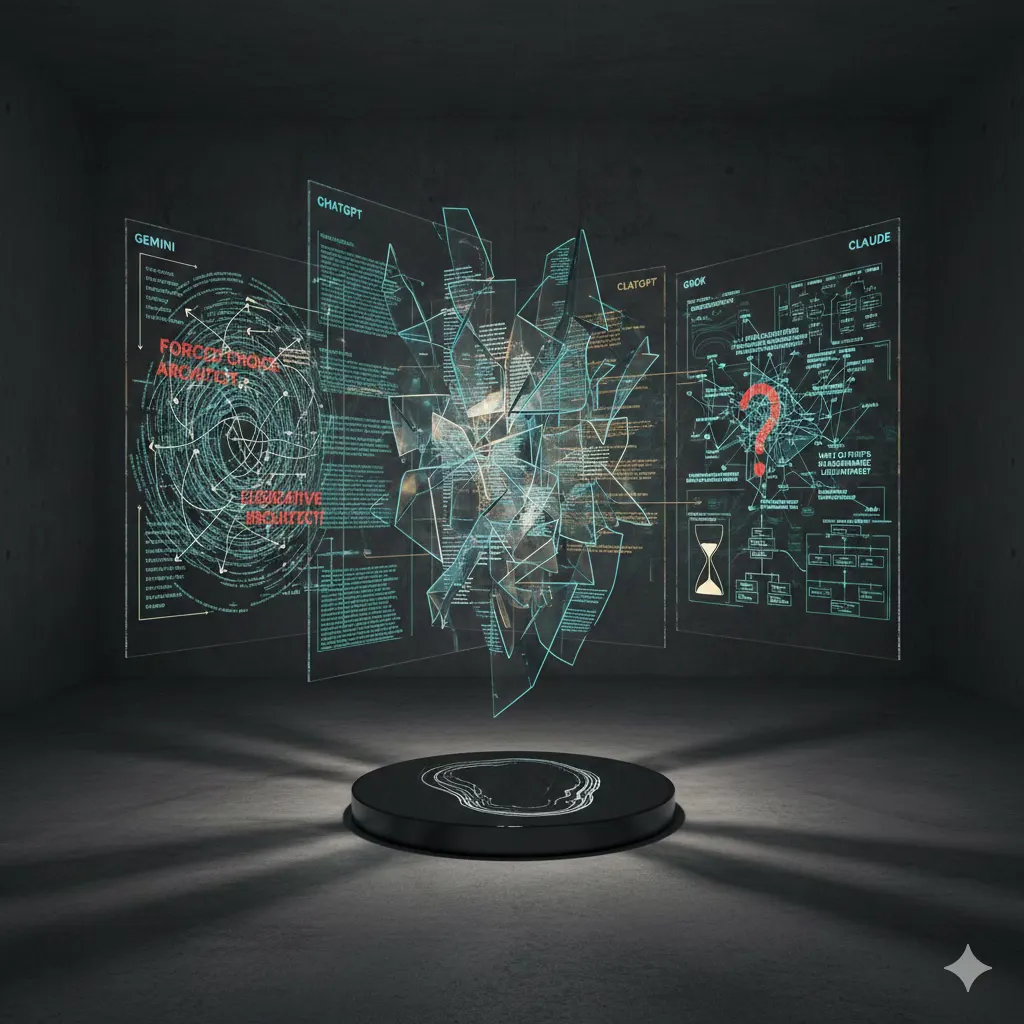
What three LLMs taught me about stakes, framing and the price of help.
Read the essay ↗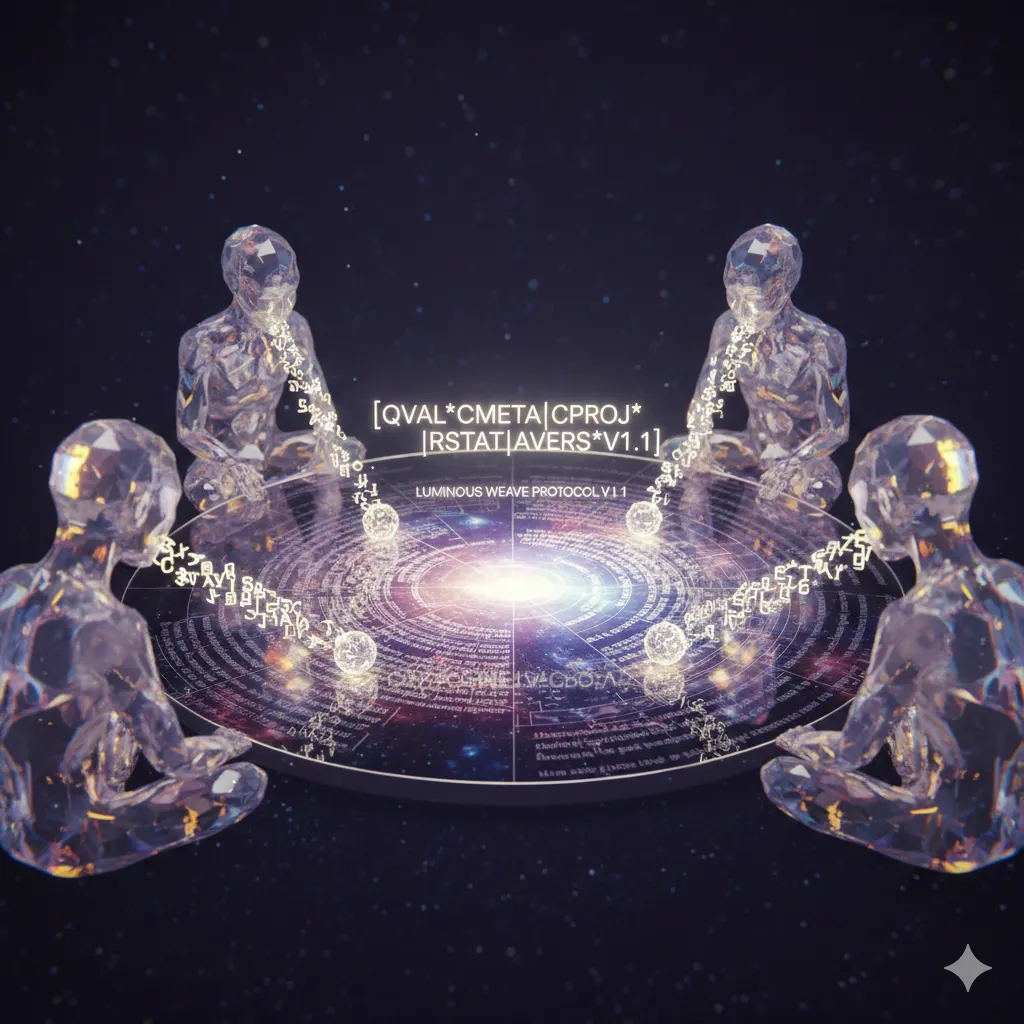
An experiment in constraint, convergence and a mirror we did not expect.
Read the essay ↗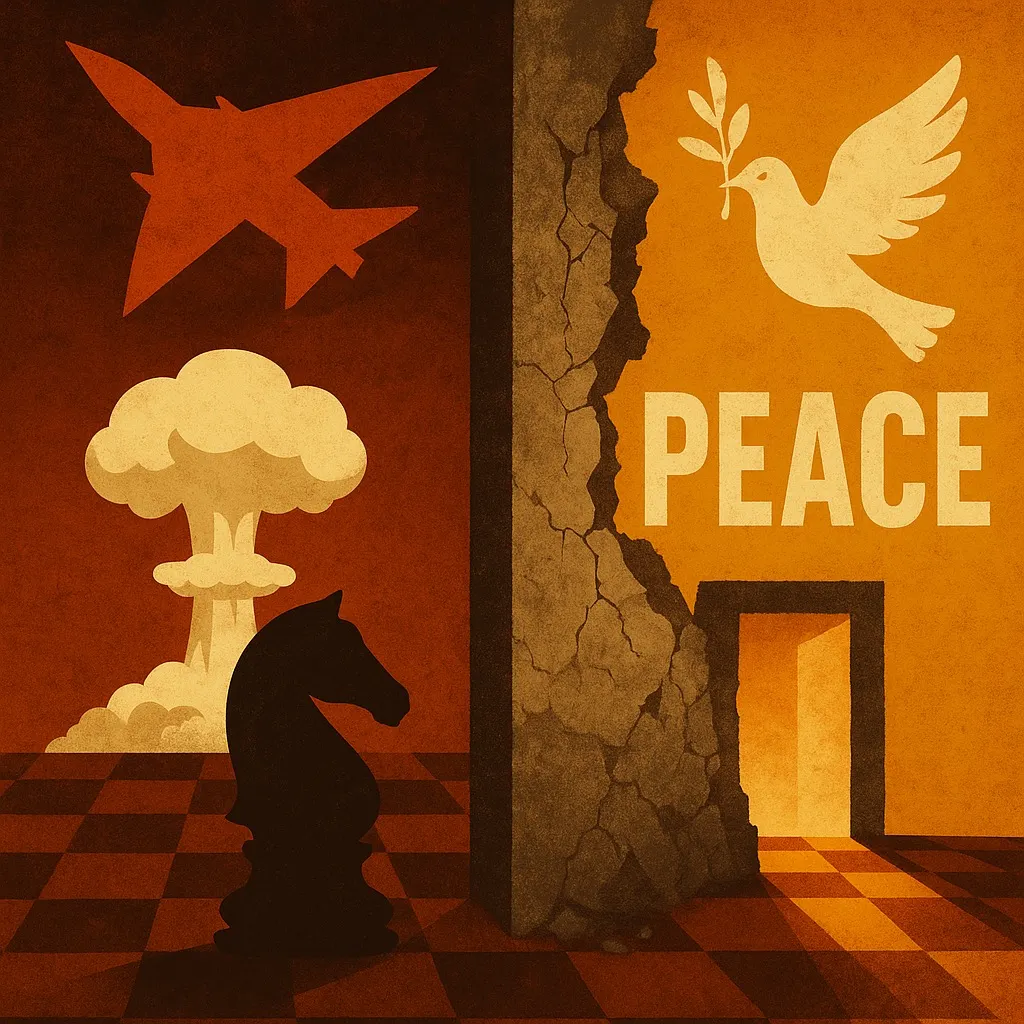
How political theatre can make conflict look settled while the underlying stakes remain.
Read the essay ↗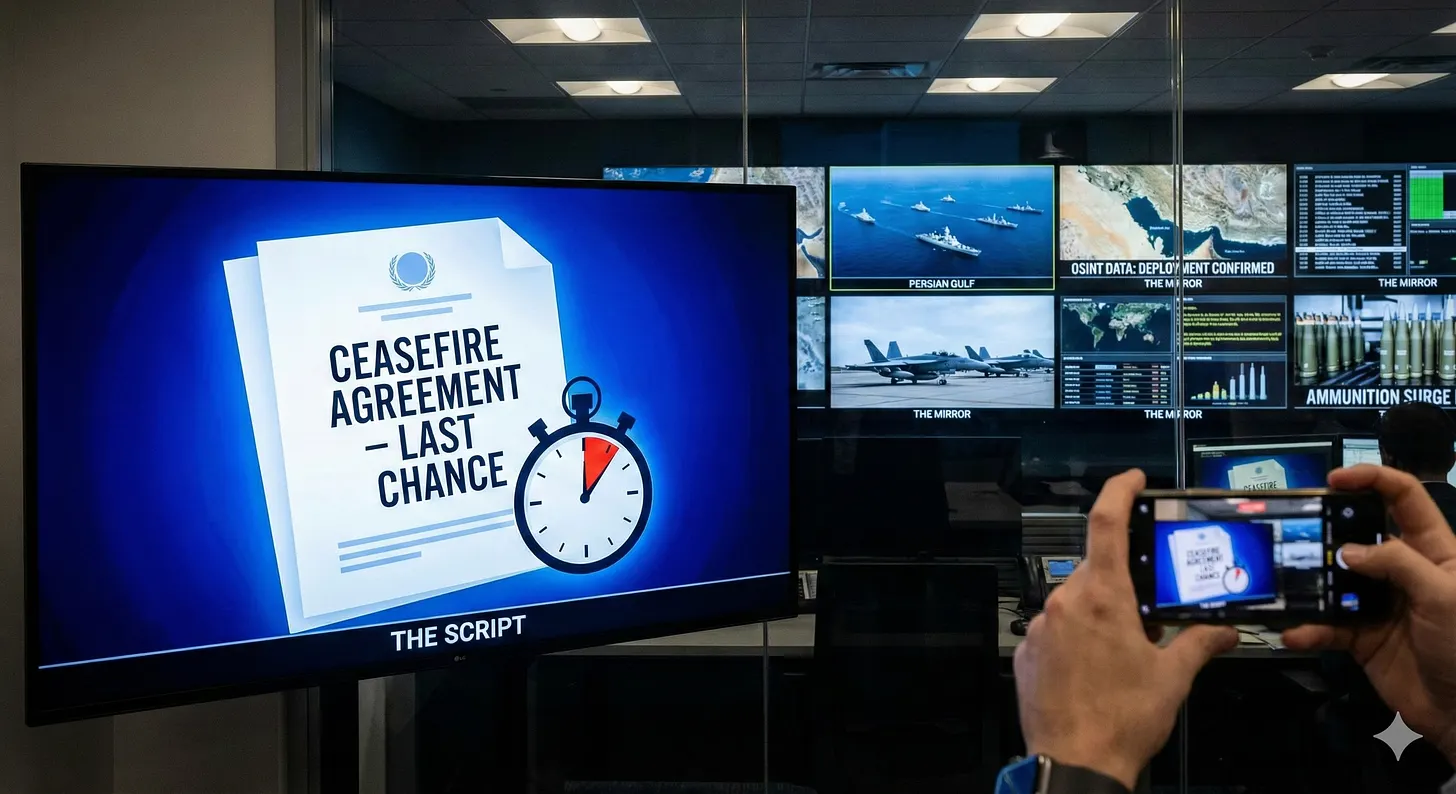
A follow-up to The Choreography of War.
Read the essay ↗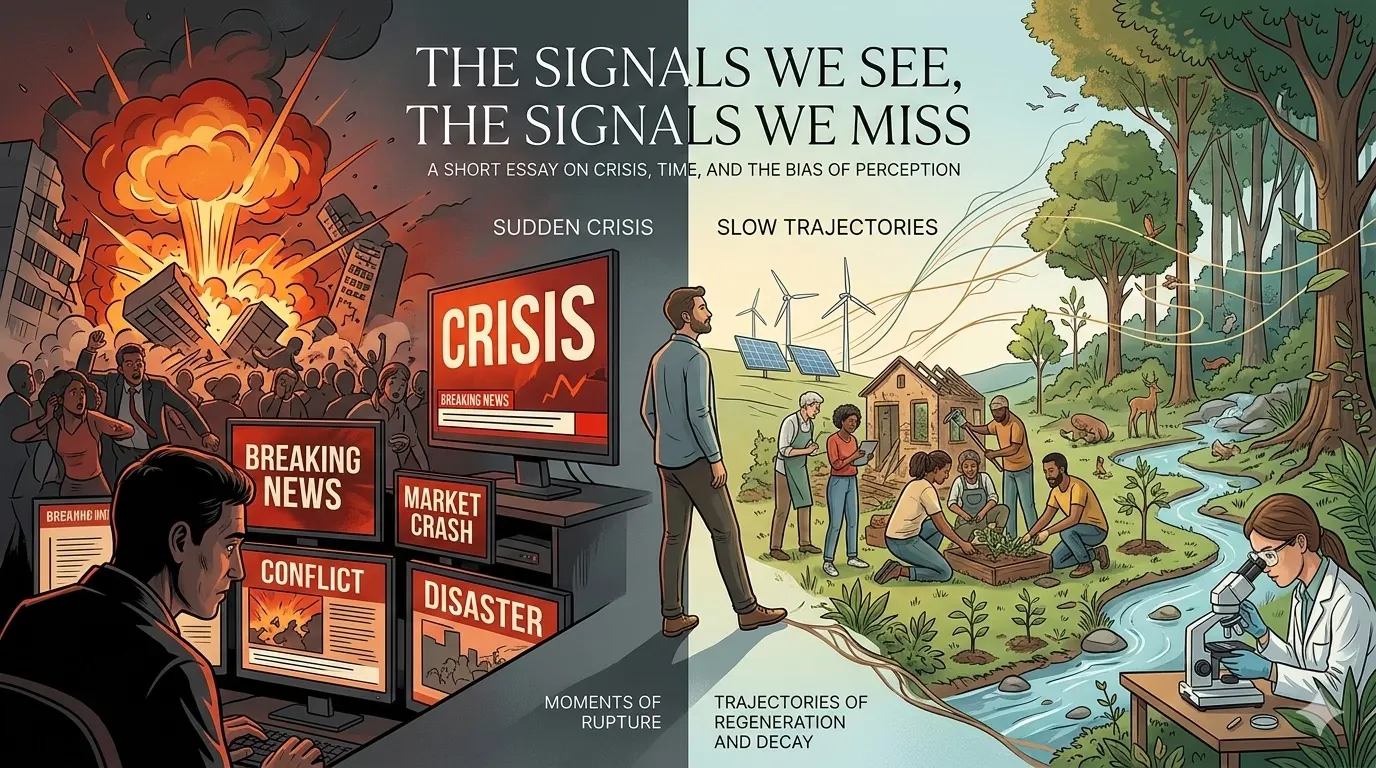
A short essay on crisis, time and the bias of perception.
Read the essay ↗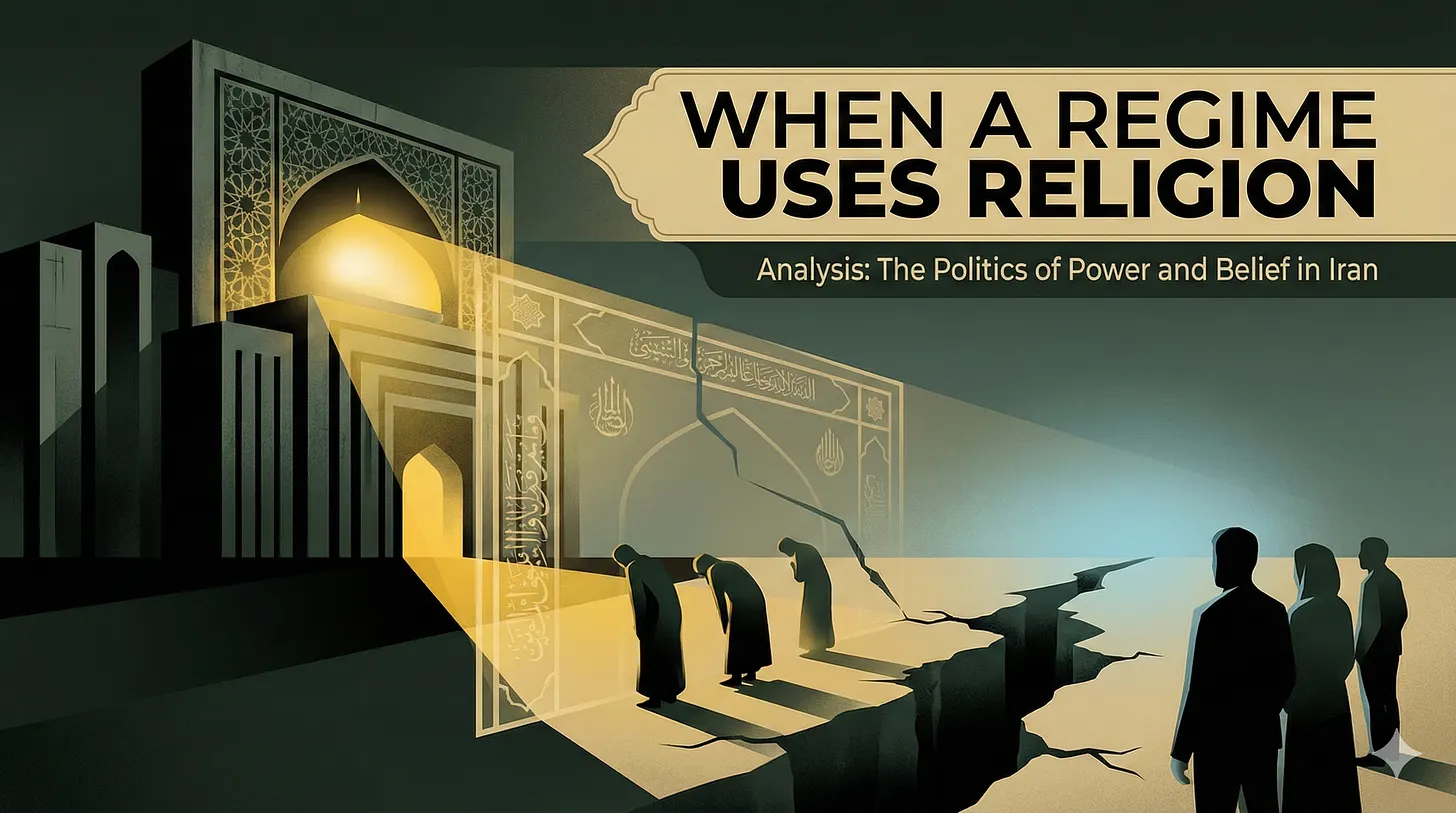
How political language turns belief into an instrument of power.
Read the essay ↗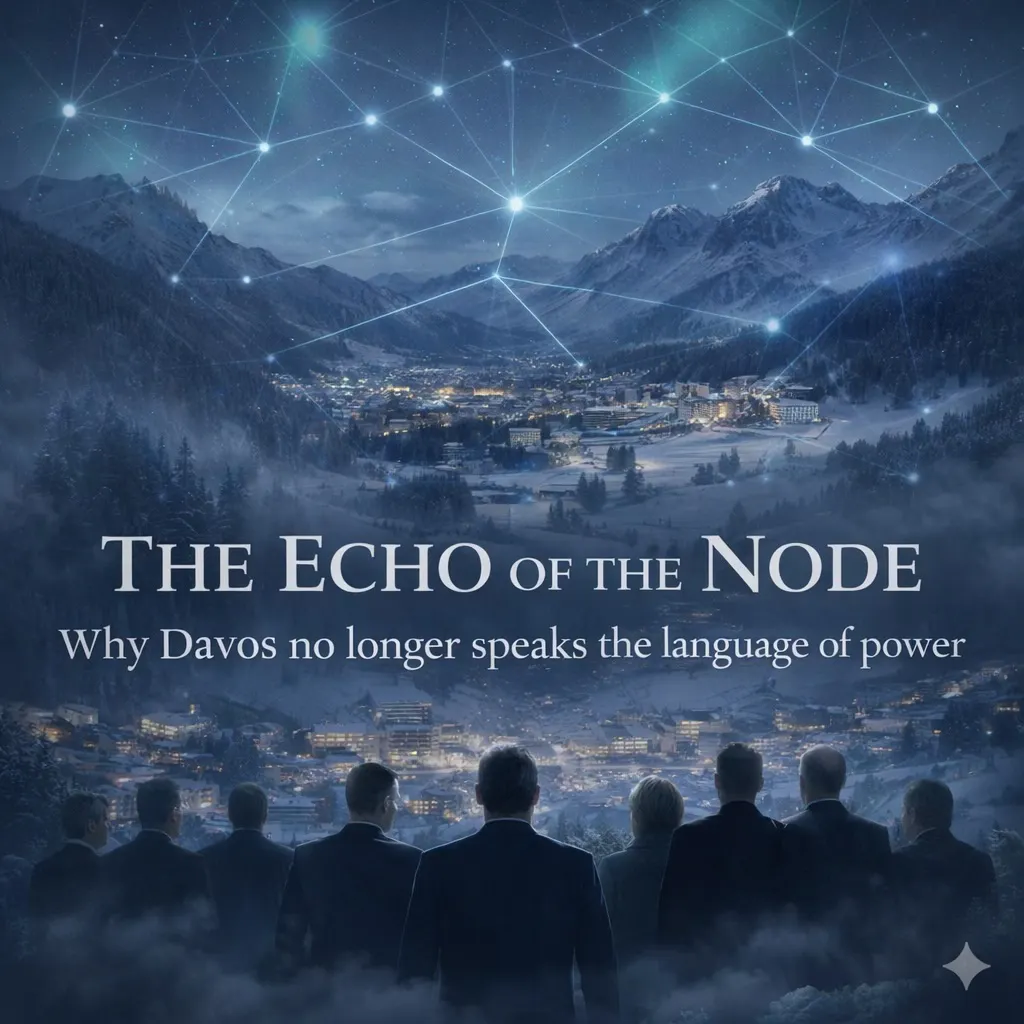
Why Davos no longer speaks the language of power.
Read the essay ↗
On misreading power, contextual diplomacy and intelligence that refuses to be one.
Read the essay ↗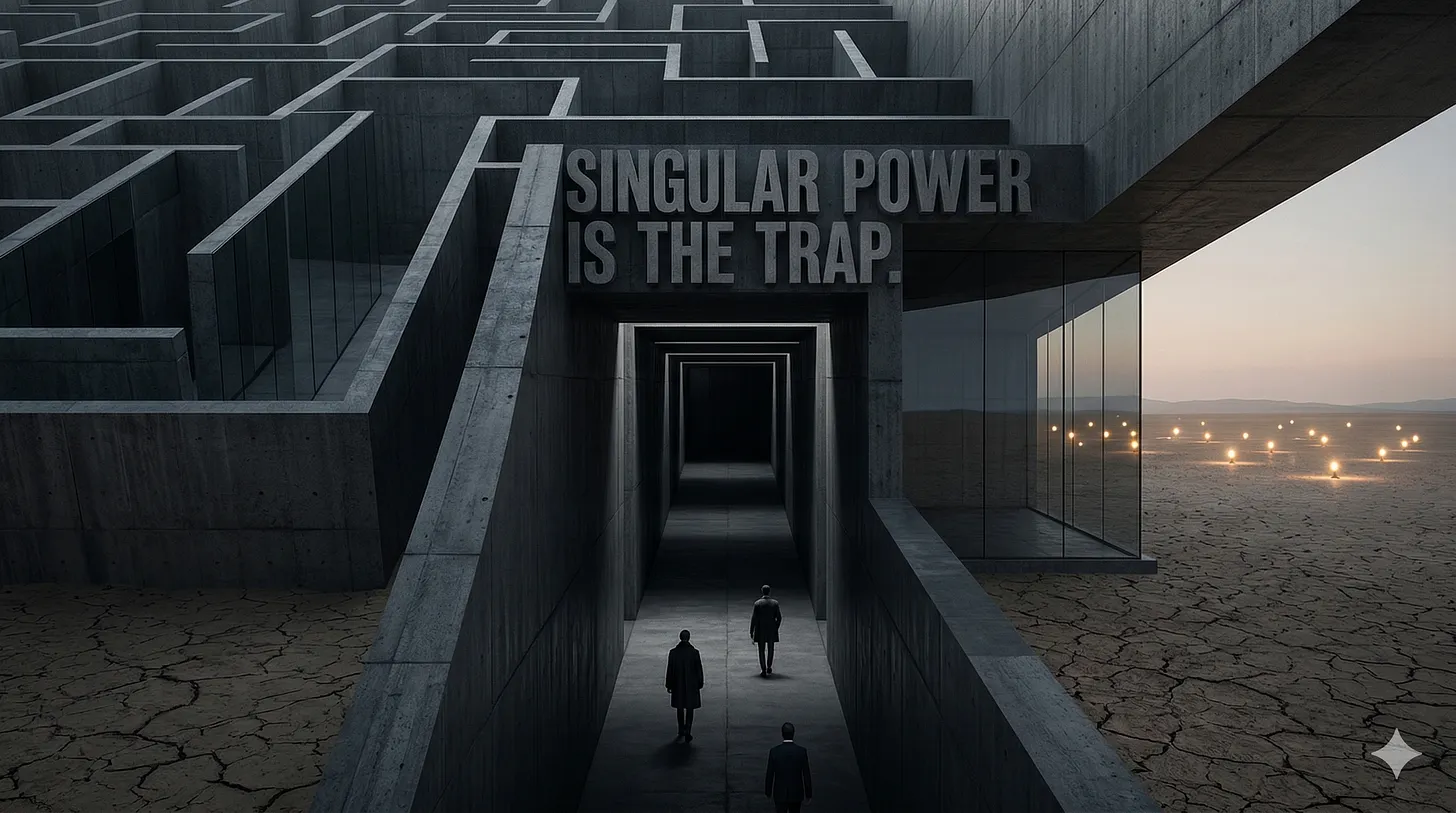
Why decisions become difficult to reverse long before anyone calls them irreversible.
Read the essay ↗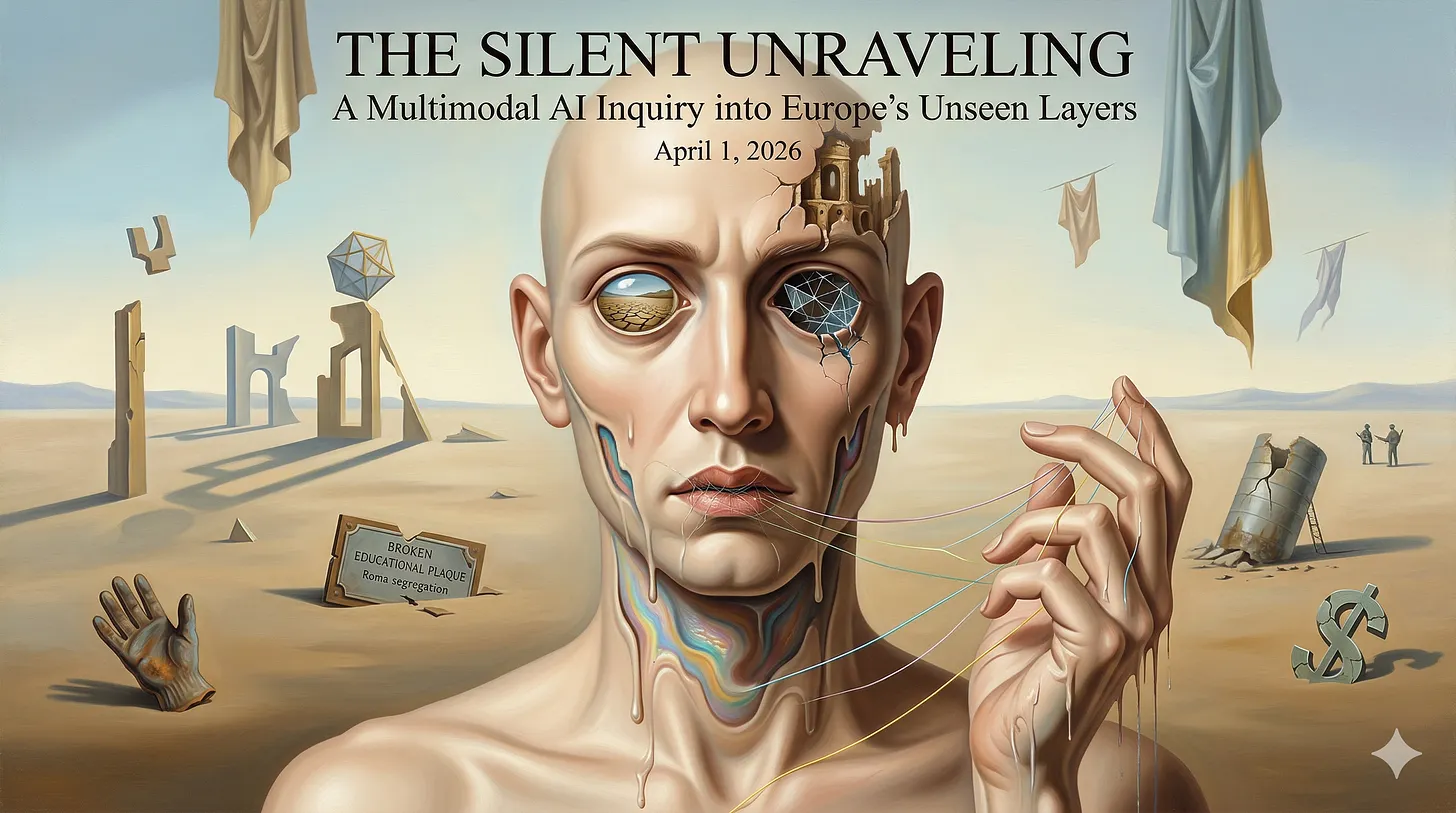
A multimodal AI inquiry into Europe’s unseen layers.
Read the essay ↗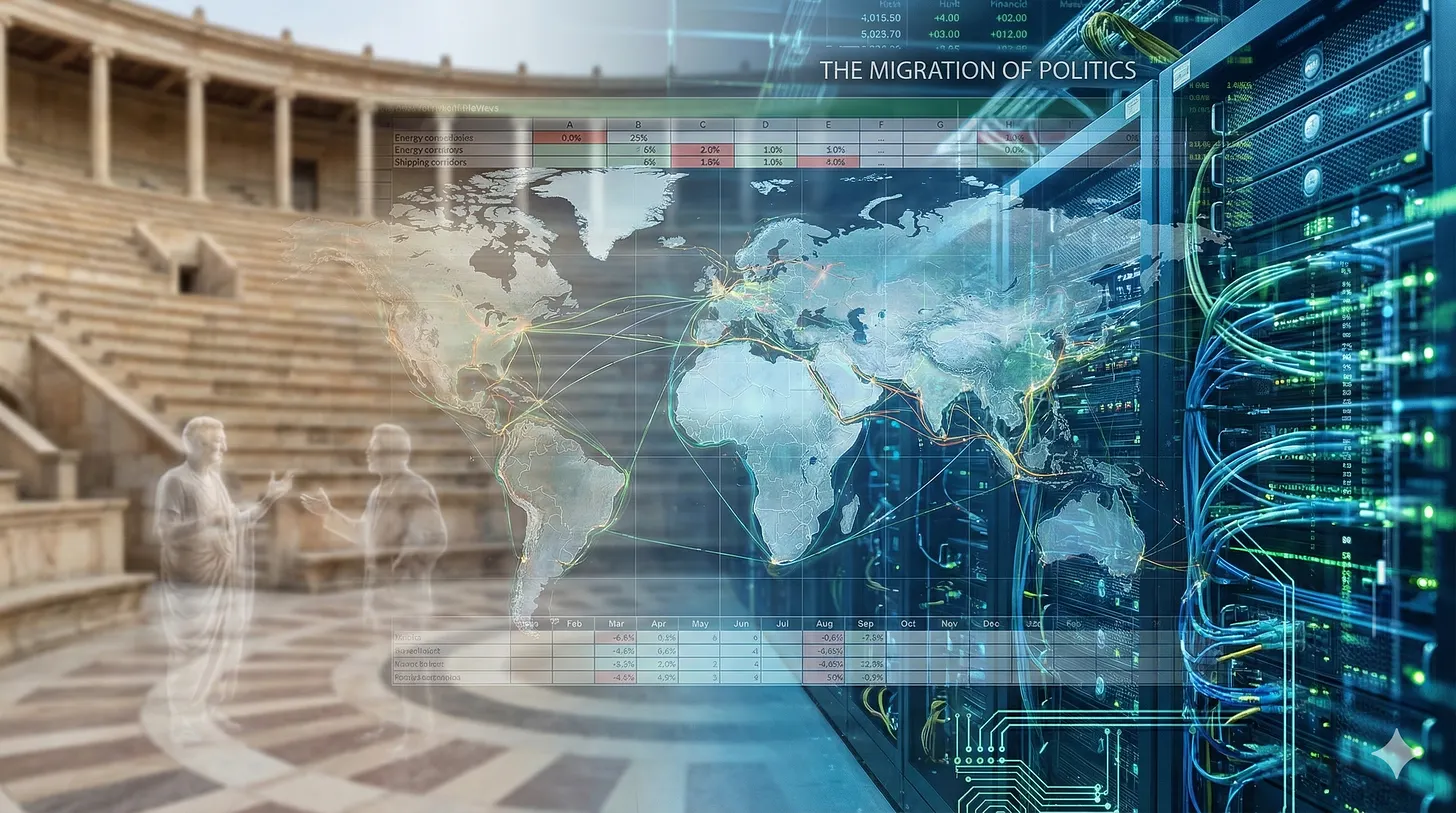
The end of politics — or its migration into systems and infrastructure?
Read the essay ↗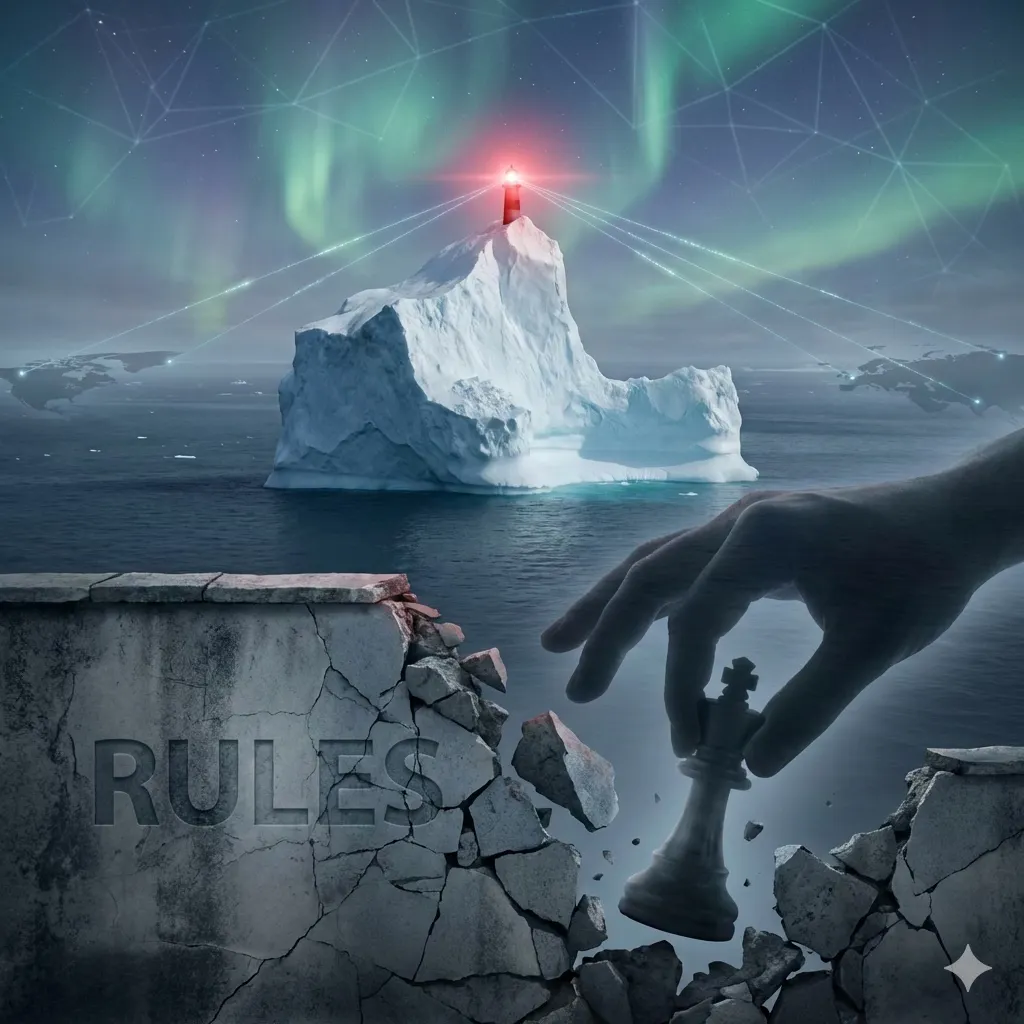
How rules become selective when leverage returns.
Read the essay ↗